Why Roof Repairs Succasunna NJ Matter for Long-Term Home Protection


A roof rarely fails all at once. Most of the time, it gives fair warning, just not in a way homeowners want to hear. A dark spot in an upstairs bedroom. Granules collecting in a gutter. A shingle tab lifted after a windy afternoon. Flashing that looks slightly bent around a chimney. None of these signs feels dramatic in the moment. Taken together, though, they tell a practical story about long-term risk.
That is why Roof Repairs Succasunna NJ deserve more attention than they often get. In a place where homes deal with winter snow loads, spring rain, summer heat, and the freeze-thaw cycle that quietly works on every seam and fastener, a roof is not just a cap on the house. It is a working system. It manages water, helps regulate temperature, protects framing, insulation, drywall, electrical runs, and, in many homes, years of investment.
People tend to think about roofing in extremes. Either the roof is fine, or it needs complete replacement. Real life lands somewhere in the middle. Timely Roof Repairs can add years of service life, prevent interior damage, and reduce the odds that a manageable issue turns into structural work, mold remediation, or emergency tarping after a storm. That middle ground is where much of the smart money is spent.
The roof does more than keep rain out
When a roof is performing well, it is easy to overlook how many jobs it handles at once. It sheds water, resists wind uplift, protects vulnerable roof penetrations, and works with attic ventilation and insulation to control heat and moisture. If one part weakens, the effects often spread beyond the roof surface.
A small leak near a plumbing vent, for example, may not drip straight down into a bucket the way people imagine. Water can travel along decking, rafters, insulation, or the backside of drywall before it becomes visible. By the time a stain appears on a ceiling, the source may have been active for weeks or even months. That gap between cause and visible symptom is what makes deferred repair so expensive.
On homes in and around Succasunna, the local climate adds pressure. Snow can sit on shaded roof sections longer than expected. Ice dams can form when attic heat escapes unevenly and melts the lower layer of snow, which later refreezes near the eaves. Wind-driven rain can test flashing details around dormers and chimneys. Summer sun can age shingles faster on south- and west-facing slopes. A roof is constantly cycling through expansion, contraction, wetting, and drying. Minor defects do not stay minor forever.
Why timing matters more than most homeowners think
There is a narrow window when a repair is simple. Miss that window, and the problem tends to branch out.
Take a cracked pipe boot, one of the most common trouble spots on an asphalt shingle roof. Early on, replacing the boot or integrating a proper repair around it is straightforward. Wait too long, and water can soften roof decking around the penetration. Once decking loses integrity, the repair may require removal of surrounding shingles, replacement of wood substrate, and close inspection of the attic side for hidden moisture damage.
The same pattern shows up with lifted shingles. One missing seal strip after a windy season may not look urgent from the ground. But a lifted edge gives water and wind a path under the roofing material. That can loosen adjacent shingles, expose nail heads, and allow repeated wetting of the underlayment. What could have https://soundcloud.com/royalty-exteriors been a focused repair starts to spread across a section of the roof.
This is one reason experienced contractors often urge homeowners not to wait for active leaks. By the time water reaches living space, the roof problem has already matured. Prompt Roof Repairs are usually less invasive, easier to match visually, and less likely to disrupt the rest of the home.
Succasunna homes face a specific set of wear patterns
Roofing advice should always be grounded in local conditions. A home in a dry climate ages differently than one in northern New Jersey. Succasunna properties often see a mix of mature trees, seasonal temperature swings, and precipitation patterns that place repeated stress on roofing assemblies.
Tree cover is a good example. Shade can help reduce summer heat gain, but it can also keep sections of a roof damp longer after rain or snow. Lingering moisture encourages algae streaking and can accelerate deterioration where debris collects in valleys or behind chimneys. Branches that overhang the roof also increase the chance of impact damage during storms and can scrape granules off shingles over time.
Winter introduces its own issues. Freeze-thaw movement is hard on flashing joints, exposed fasteners, and older sealants. Gutters clogged with leaves can worsen ice formation along the roof edge. Once water backs up or refreezes where it should be draining away, vulnerable points around fascia, soffits, and eaves begin to suffer.
Homes of different ages also reveal different roofing patterns. Newer homes may show isolated issues related to installation details, ventilation imbalances, or storm damage. Older homes may have layered repairs from past decades, patched flashing, aging underlayment, or roof penetrations that were added after the original roof was installed. Each situation requires judgment, not just a generic patch.
Small roof issues that often signal bigger trouble
Not every cosmetic imperfection demands action, but several common signs deserve attention because they frequently point to active wear beneath the surface.
- missing or creased shingles after wind events
- granules accumulating heavily in gutters or at downspout outlets
- rusted, loose, or separated flashing near chimneys, skylights, and wall intersections
- water stains in attic insulation, roof sheathing, or upstairs ceilings
- sagging areas, soft decking feel, or visible dips in roof lines
What matters is not only the symptom itself, but where it appears and how long it has been present. A few granules on a newer roof can be normal. Heavy granule loss on older shingles, especially combined with bald spots and curling edges, tells a different story. Likewise, a stain that has not changed in years may be old damage, while a stain with a dark ring or soft drywall around it usually deserves immediate investigation.
One homeowner may glance at a ceiling mark and assume the roof just needs a little caulk. In practice, roof leak diagnosis rarely works that neatly. Water gets in at one point, moves, and exits somewhere else. Good repair work starts with tracing the system, not guessing at the symptom.
The hidden cost of postponing repair
A lot of people delay repair because they are trying to avoid a large bill. Ironically, that delay is often what creates the large bill.
Roof leaks are unusually good at multiplying damage categories. The initial issue may involve shingles or flashing, but the longer moisture remains unchecked, the more trades become part of the final solution. Now there may be wet insulation that has lost R-value, stained drywall that needs replacement, trim damage, possible electrical concerns if water reaches fixtures or wiring, and attic ventilation problems made worse by moisture accumulation. If mold develops, the scope expands again.
There is also an efficiency cost that gets less attention. Wet insulation performs poorly. Air leaks around deteriorated roof penetrations can worsen heating and cooling loss. During colder months, warm air escaping into the attic contributes to uneven roof temperatures, which can increase the risk of ice dam formation. That means one unresolved roof issue can quietly affect both utility bills and the overall moisture balance of the home.
Then there is resale. Buyers notice roof condition quickly, and inspectors almost always comment on visible defects, past leak evidence, or attic moisture signs. A homeowner who ignores needed Roof Repairs may end up paying twice, once through accumulated damage and again through reduced leverage during a sale.
Repair versus replacement requires honest assessment
Not every roof needs to be replaced, and not every repair is worth making. The right call depends on age, condition, material type, previous repair history, and how concentrated or widespread the damage is.
A roof with many years of service left and a localized problem is often a strong candidate for repair. Examples include flashing failure around a chimney, storm damage to one slope, or isolated shingle loss from wind exposure. In these cases, focused Roof Repairs can restore function and preserve the remaining life of the system.
A roof near the end of its expected lifespan is different. If shingles are brittle across multiple planes, sealant strips have broadly failed, and repairs are becoming repetitive, patching may only buy short-term relief. That can still be the correct choice in some situations, especially if the homeowner needs time to plan financially, but it should be framed honestly as temporary risk management rather than long-term resolution.
A good contractor will explain the trade-offs plainly. Can the current roof be repaired safely? Will the repair blend or stand out? Is matching material available? Does the decking appear sound? Are ventilation issues contributing to the failure? These questions matter more than a simple yes or no on repair.
What skilled roof repair work actually involves
There is a common misconception that repair work is mainly about sealing visible gaps. Proper roofing repair is more precise than that. The goal is to restore the roof's water-shedding path and weather resistance while respecting how the existing materials interlock.
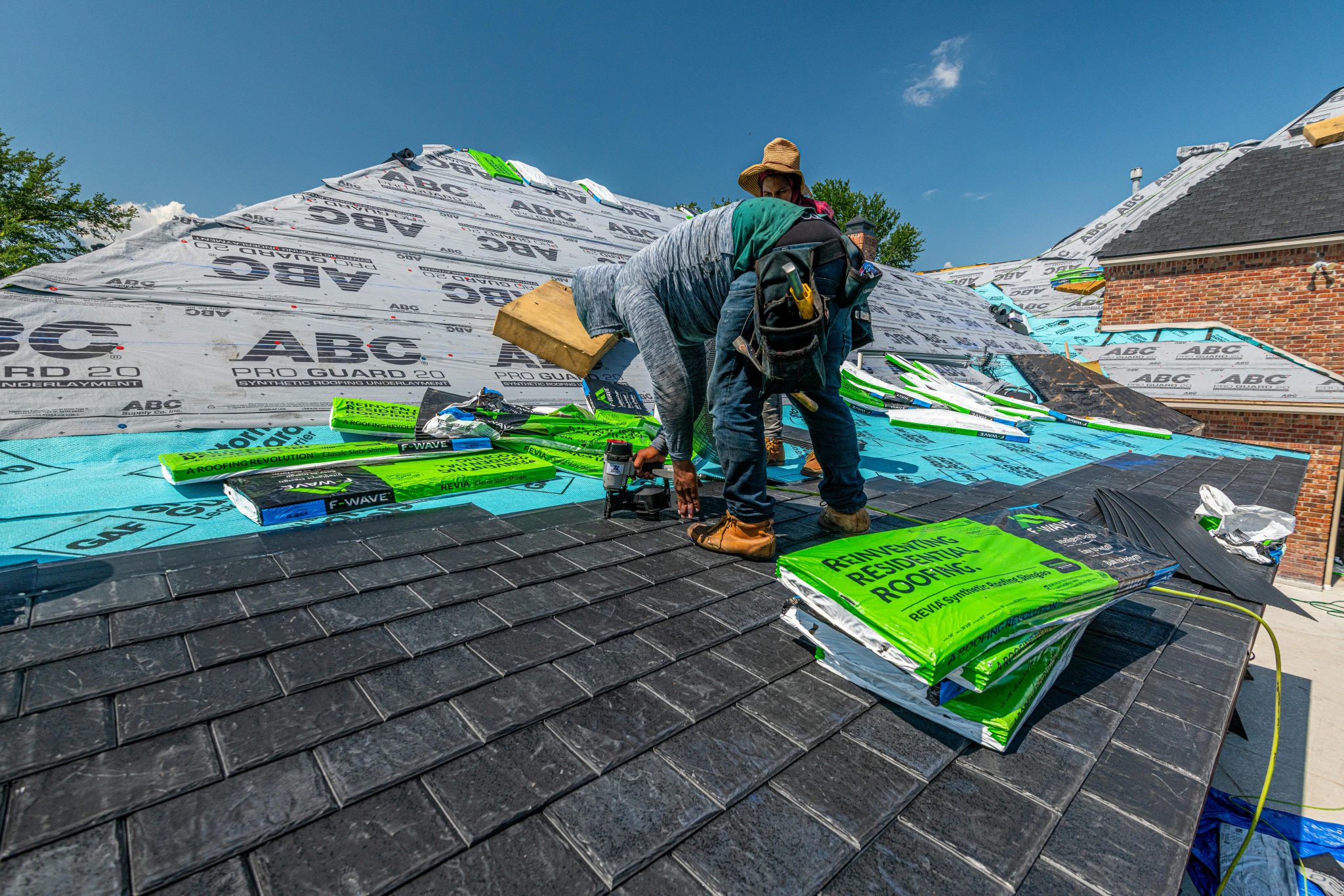
On an asphalt shingle roof, that may mean carefully lifting surrounding courses, removing damaged shingles without breaking adjacent ones, replacing compromised underlayment, and installing new material with correct nailing and sealing. Around chimneys or sidewalls, it often means checking step flashing and counterflashing, not just applying roofing cement where water is showing. Sealants have a place, but they are rarely the full answer on their own.
Vent boots, valley metal, ridge vents, skylight curbs, drip edge, and exposed fasteners each have their own failure modes. A repair that lasts is usually one that addresses the assembly detail rather than the symptom. That is why the quality gap between a quick patch and professional repair can be so wide.
I have seen roofs where a leak around a chimney had been "fixed" three different times with heavy tar application. Every patch made the area look more secure from the ground. None addressed the deteriorated flashing sequence tucked behind the siding and masonry intersection. By the time the right repair was done, some roof decking had to be replaced because water had been slipping in around the same weak point for multiple seasons.
The value of attic inspection
Some of the best roof information is not visible from the yard. An attic can reveal active leaks, old leak paths, condensation problems, ventilation imbalance, and signs of heat loss that affect roof performance.
Dark staining on the underside of sheathing, compressed or matted insulation, rusted nail tips, and musty odor all help tell the story. So do daylight pinholes at penetrations or wall intersections. A careful attic look often helps distinguish between a true roof leak and moisture problems caused by poor ventilation or bathroom exhaust dumping into the attic.
That distinction matters. A homeowner may assume shingles are failing when the real issue is warm, humid air condensing on cold roof sheathing in winter. The fix in that case may involve venting, air sealing, or duct correction along with any roofing work. Without that full picture, the same symptoms can return after repair.
Maintenance is not glamorous, but it works
Long-term protection comes less from dramatic interventions and more from routine attention. Homeowners do not need to obsess over the roof, but they should treat it like any other critical system. Periodic checks, especially after storms and at seasonal transitions, help catch issues while they are still manageable.
A practical maintenance rhythm usually includes visual inspections from the ground, gutter cleaning, watching for interior stains, and having questionable conditions evaluated before the next severe weather cycle. It also helps to keep tree limbs trimmed back far enough to reduce abrasion and impact risk. When snow and ice are recurring concerns, attic insulation and ventilation deserve a close look because roof performance starts below the shingles as much as above them.
For many homeowners, the most useful approach is simple:
- inspect from the ground after major wind, hail, or heavy snow events
- check the attic at least seasonally for stains, damp insulation, or mildew odor
- keep gutters and downspouts clear so water can move off the roof properly
- address small defects quickly instead of waiting for interior leakage
- document repairs and roof age for future planning and resale value
These steps do not replace professional assessment, but they greatly improve the odds of catching a problem before it spreads.
Why local experience matters in Roof Repairs Succasunna NJ
Roofing is one of those trades where local knowledge genuinely matters. A contractor who works regularly in Succasunna is more likely to recognize the patterns common to the area, from storm exposure and tree-related wear to the ways older homes were framed and vented. They also tend to understand what materials hold up well under regional weather conditions and which repair details deserve extra attention during winter prep.
That local familiarity becomes especially valuable when diagnosis is not obvious. A stain near a chimney may involve masonry issues, flashing sequence, valley runoff, or ice backup. A repair plan should account for how that specific roof section behaves during actual weather, not just how it looks on a dry afternoon.
Homeowners benefit when a contractor is willing to separate urgent needs from watch-list items. Not every imperfection requires immediate spending, and not every roof concern should be minimized either. Balanced guidance builds trust because it respects both the home and the homeowner's budget.
Insurance, documentation, and realistic expectations
When roof damage follows a storm, documentation becomes important fast. Clear photos, dates, and notes about when symptoms first appeared can help support insurance conversations when applicable. That said, not every leak or shingle issue is an insurance matter. Many roof problems come from age, wear, deferred maintenance, or installation defects, which are usually handled as standard home maintenance rather than covered loss.
It helps to be realistic about what repair can and cannot do. A solid repair should stop the leak, restore function, and protect the affected area. It may not make an older roof look brand new. Color matching can be imperfect, especially when original shingles have weathered for years or certain lines have been discontinued. Function comes first. Appearance matters, but performance matters more.
There is also value in keeping records. Knowing when repairs were made, what materials were used, and which roof sections have prior history can simplify future maintenance and prevent guesswork. For homeowners planning to stay in the property for many years, that information supports smarter decisions about timing a future replacement rather than reacting to the next emergency.
Long-term protection starts with a short-term decision
Most serious roof problems begin as decisions postponed by a season or two. The logic feels harmless at first. Wait until spring. See if the stain grows. Patch it after the holidays. Get through one more winter. Sometimes homeowners get lucky. Often, the roof keeps collecting damage out of sight.
That is the real reason Roof Repairs Succasunna NJ matter for long-term home protection. They are not just about fixing what is broken today. They are about preserving the layers beneath the roof, controlling moisture before it spreads, extending service life where practical, and maintaining the structural and financial health of the home.
A roof does not need to be perfect to protect a house well. It does need attention, honest assessment, and timely repair when wear begins to show. Homeowners who act early usually spend less, face fewer surprises, and keep more options open. That is not alarmism. It is simply how roof systems behave over time.
When a roof is treated as an active part of the house rather than a background feature, the benefits are tangible. Fewer leaks. Less hidden damage. Better energy performance. More confidence through winter storms and summer downpours. For a home in Succasunna, that kind of protection is not a luxury. It is basic stewardship, and it starts with taking Roof Repairs seriously while they are still repairs, not emergencies.
Royalty Exteriors
Address: 151 NJ-10 Ste 103A, Succasunna, NJ 07876
Phone number: +19733337234
FAQ About Roof Repairs Succasunna NJ
How much should I pay for roof repairs?
Most homeowners pay an average of $900 to $1,200 for roof repairs, with typical projects ranging from $150 to $3,000+ depending on the severity of the damage.
What are the most common roof repairs?
The most common roof repair is fixing water leaks by replacing damaged, cracked, or missing asphalt shingles and sealing compromised flashing.
Does homeowners insurance pay for roof repairs?
Homeowners insurance pays for roof repairs only if the damage is sudden and accidental, such as from a storm, hail, or a falling tree.